Begins: A Versatile and Elegant Handwritten Font for Designers
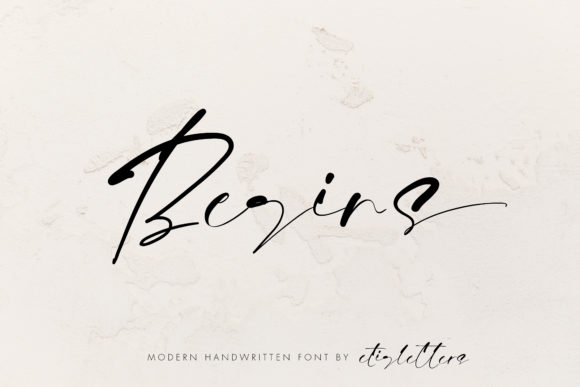
Begins is a handwritten font that stands out for its elegant flow and refined aesthetic. Designed with a focus on natural movement, it features smooth lines, varied baseline, and well-crafted glyphs that give it a distinctive personality. This makes it an excellent choice for designers seeking a touch of authenticity in their work.
Unlike many other fonts that aim for uniformity, Begins embraces the irregularities of handwriting, which can add character and warmth to any design. Its alternates and stylistic variations allow for creative flexibility, making it suitable for a wide range of applications.
What Makes Begins Unique?
Begins distinguishes itself through its attention to detail and the way it mimics the nuances of real handwriting. The font’s varying baseline creates a more organic look, avoiding the rigid structure often found in digital typefaces. This subtle variation can make a significant difference in how a design feels to the viewer.
The smooth lines of Begins contribute to its overall elegance, giving it a fluid appearance that is both readable and visually appealing. Its glyphs are carefully designed to maintain consistency while still reflecting the imperfections of hand-drawn lettering. This balance between structure and spontaneity is what sets Begins apart from other similar fonts.
Comparing Begins to Other Handwritten Fonts
When considering handwritten fonts, designers often look for options that offer both style and functionality. Begins falls into a category of fonts that prioritize aesthetics over strict legibility, making it ideal for projects where visual appeal is a priority.
Compared to more structured options like Brush Script or Lobster, Begins offers a more refined and less chaotic appearance. While these alternatives may be better suited for bold headlines or decorative elements, Begins provides a more subtle and sophisticated alternative that works well in a variety of contexts.
For those looking for a font that feels more authentic, Begins is a strong contender. It avoids the overly stylized look of some alternatives and instead focuses on creating a natural, flowing script that can be used in both casual and formal designs.
Best Use Cases for Begins
Begins is particularly well-suited for designs that require a personal or artisanal touch. Wedding invitations, thank you cards, and greeting cards often benefit from the warm, handwritten feel that Begins provides. Its elegance makes it a popular choice for events where a sense of refinement is important.
In addition to stationery, Begins can be used effectively in logos, business cards, and branding materials. Its versatility allows it to adapt to different sizes and formats without losing its character. When used in smaller text, it maintains clarity while still retaining its unique style.
For designers working on projects that require a mix of formality and creativity, Begins offers a compelling option. It can be paired with more traditional fonts to create a balanced composition, or used on its own for a more cohesive and expressive look.
Strengths and Limitations of Begins
One of the main strengths of Begins is its ability to convey a sense of authenticity and craftsmanship. Its natural flow and subtle variations make it feel more human than many other digital fonts. This can be especially valuable in projects where the goal is to evoke emotion or create a connection with the audience.
However, there are some limitations to consider. Because of its handwritten style, Begins may not be the best choice for large blocks of text. Its readability can decrease when used in extended paragraphs, making it more suitable for short phrases or headings.
Another consideration is the font’s availability. While Begins is widely used, it may not be included in all design software by default. Users may need to download and install it separately, which could be a minor inconvenience for some workflows.
When to Choose Begins Over Alternatives
Begins is an excellent choice when the goal is to add a touch of elegance and individuality to a design. If the project requires a handwritten feel without being too informal or chaotic, Begins offers a refined solution that strikes the right balance.
For example, a designer creating a luxury brand’s packaging might choose Begins to give the product a more personalized and high-end appearance. Similarly, a wedding planner might use it for invitation designs to convey a sense of sophistication and care.
In contrast, if the design needs a more modern or minimalist look, another font might be more appropriate. Fonts like Montserrat or Lato offer clean, geometric styles that can complement contemporary aesthetics. However, for projects that benefit from a more organic and expressive style, Begins remains a strong option.
Practical Tips for Using Begins
To get the most out of Begins, it’s important to consider the context in which it will be used. For best results, pair it with complementary fonts that enhance its visual appeal without overwhelming it. A sans-serif font like Open Sans can provide a clean contrast, while a serif font like Georgia can add depth and richness.
When using Begins in digital formats, ensure that the font is properly embedded or licensed for the intended use. This helps maintain its quality across different platforms and devices. Additionally, testing the font at various sizes can help determine its effectiveness in different applications.
Designers should also experiment with spacing and alignment to achieve the desired effect. Adjusting the kerning and tracking can improve readability and visual harmony, especially when using the font in larger text sizes.
Conclusion: Is Begins Right for Your Project?
Begins is a versatile and elegant font that can enhance a wide range of design projects. Its natural flow, smooth lines, and stylistic variations make it a great choice for those looking to add a handwritten touch without sacrificing quality or professionalism.
While it may not be the best fit for every situation, its strengths in conveying authenticity and refinement make it a valuable tool for designers who want to create visually engaging and emotionally resonant work. By understanding its capabilities and limitations, users can make informed decisions about when and how to use Begins effectively.