Abella: A Versatile Handwritten Font for Creative Expression
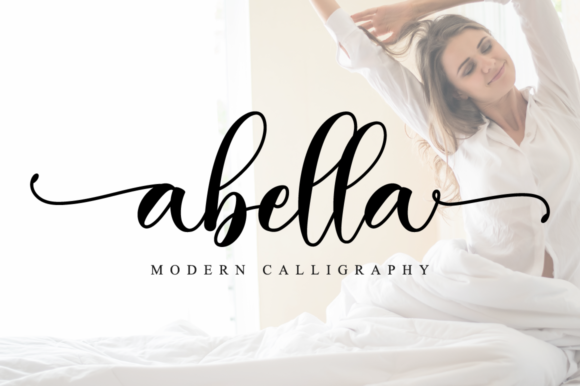
The Abella font has carved a unique niche in the world of typography, offering a blend of elegance and charm that appeals to a wide range of users. Its handwritten style brings a personal touch to any design, making it a popular choice for various applications. Whether you're designing wedding invitations or crafting a logo, Abella's distinctive features can elevate your work.
One of the standout characteristics of Abella is its PUA encoding, which allows users to access all the glyphs and swashes without any restrictions. This means that designers can easily incorporate the font's full range of stylistic elements into their projects. The varying baseline and smooth lines contribute to a natural flow, giving each letter a sense of movement and grace.
Abella's versatility extends beyond just aesthetics. It is suitable for a variety of design needs, including but not limited to greeting cards, thank you notes, and business cards. The font's ability to adapt to different contexts makes it an essential tool for professionals and hobbyists alike. Its elegant appearance can add a touch of sophistication to any project, whether it's a simple card or a complex branding initiative.
For those who are new to using handwritten fonts, Abella offers a user-friendly experience. The font's design ensures that even those with limited design skills can create visually appealing content. This accessibility makes it a valuable resource for educators and students who are exploring the world of typography. By incorporating Abella into their work, they can learn about the nuances of hand-drawn styles while producing professional-looking results.
Another advantage of Abella is its ability to enhance the emotional impact of text. In a digital age dominated by standard fonts, the use of a handwritten style can evoke a sense of authenticity and personal connection. This is particularly relevant in marketing and communication, where the tone and feel of the message can significantly influence the audience. By using Abella, creators can convey warmth and sincerity that might be lost with more rigid typefaces.
When considering the practical applications of Abella, it's important to note the various industries that can benefit from its use. For instance, in the realm of event planning, the font can be used to create invitations that reflect the personality of the event. Similarly, in the field of graphic design, Abella can serve as a go-to font for creating logos that stand out and resonate with target audiences.
Moreover, the font's availability in multiple formats ensures that it can be integrated into various design software. This flexibility allows users to experiment with different layouts and compositions, ultimately leading to more creative outcomes. Whether you're working on a digital project or preparing materials for print, Abella provides the necessary tools to achieve a polished look.
As with any font, there are considerations to keep in mind when using Abella. It's essential to ensure that the font is compatible with the intended platform or application. Additionally, understanding the context in which the font will be used can help in making informed decisions about its suitability. For example, while Abella may be ideal for a wedding invitation, it might not be the best choice for a formal business document that requires a more traditional appearance.
In conclusion, Abella is a versatile and elegant font that can enhance a wide range of design projects. Its unique characteristics, ease of use, and adaptability make it a valuable asset for anyone looking to add a personal touch to their work. Whether you're a designer, educator, or business owner, Abella offers the potential to create visually striking and emotionally resonant content. By leveraging the strengths of this font, users can elevate their designs and connect more deeply with their audiences.