The Timeless Elegance of Kendrick: A Handwritten Font for Modern Design
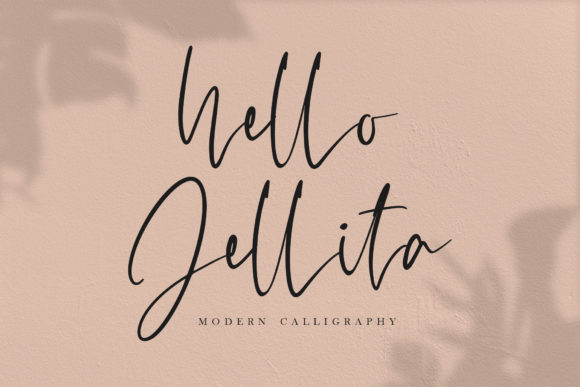
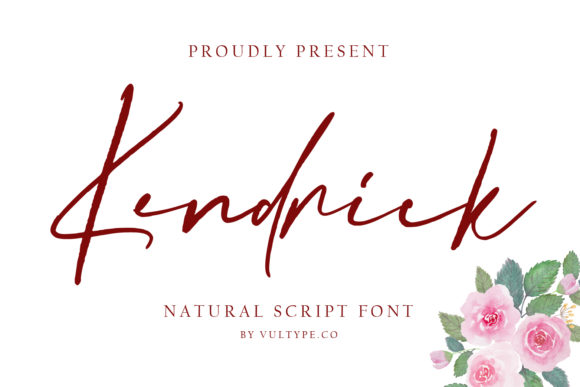
In a world increasingly dominated by digital precision and mass-produced aesthetics, the charm of a handwritten touch remains unmatched. Among the many fonts that have captured the attention of designers, Kendrick stands out as a unique and versatile option that blends artistry with practicality. This distinct, delicate, and timeless handwritten font has found its place in a wide range of design applications, from wedding invitations to business cards, offering a personal and authentic feel that resonates with both creators and consumers.
As the design industry continues to evolve, there is a growing demand for fonts that convey warmth, individuality, and a sense of human connection. Kendrick meets this need by providing a visually appealing alternative to the rigid structures of standard typefaces. Its organic flow and subtle imperfections give it a natural, handcrafted quality that feels more personal than digital alternatives. Whether used in print or digital formats, Kendrick adds a layer of sophistication that can elevate any project.
Why Kendrick Stands Out in the World of Typography
Typography is more than just choosing a font—it's about conveying emotion, tone, and identity. Kendrick excels in this area because it captures the essence of handwriting without sacrificing readability. Unlike some stylized fonts that may be difficult to read at smaller sizes, Kendrick maintains clarity while still retaining its elegant, flowing characteristics. This makes it ideal for a variety of applications where both aesthetics and legibility are important.
One of the reasons Kendrick has gained popularity is its adaptability. It works well in both formal and casual contexts, making it a go-to choice for designers who want to maintain a cohesive visual language across different projects. For instance, a wedding invitation using Kendrick can feel intimate and personal, while a logo featuring the same font can appear modern and refined. This versatility ensures that Kendrick remains relevant in an ever-changing design landscape.
Kendrick in the Broader Context of Design Trends
The rise of Kendrick aligns with broader trends in the design and creative industries. As consumers become more discerning, they seek out products and experiences that reflect authenticity and craftsmanship. This shift is evident in the increasing use of handmade elements in branding, packaging, and communication materials. Kendrick, with its handwritten aesthetic, fits perfectly into this movement, offering a way to infuse designs with a sense of individuality and care.
Moreover, the trend toward minimalism in design has also influenced the appeal of Kendrick. While minimalism often emphasizes simplicity and clean lines, Kendrick adds a softness and warmth that can balance the starkness of minimalist layouts. This combination allows designers to create visuals that are both modern and approachable, striking a balance between innovation and tradition.
In the realm of marketing and branding, Kendrick has proven to be a valuable asset. Companies looking to establish a unique identity often turn to custom typography to differentiate themselves from competitors. By incorporating Kendrick into their branding materials, businesses can communicate a sense of creativity, authenticity, and attention to detail—qualities that resonate with today’s conscious consumers.
Practical Applications of Kendrick in Design Projects
One of the most common uses of Kendrick is in wedding invitations. The font’s elegant curves and gentle strokes lend a romantic and personal touch that complements the significance of the event. Couples often choose Kendrick to add a bespoke feel to their invitations, making them feel more special and meaningful. This application highlights how Kendrick can enhance the emotional impact of a design by reinforcing the message and mood of the content.
Beyond weddings, Kendrick is also widely used in thank you cards, quotes, and greeting cards. These formats benefit from the font’s ability to convey sincerity and thoughtfulness. A simple “Thank You” card written in Kendrick can feel more heartfelt and genuine than one created with a standard typeface. This makes it a popular choice among small businesses, independent artists, and individuals who want to express gratitude in a more personal way.
For logos and business cards, Kendrick offers a refreshing alternative to the usual corporate fonts. It allows brands to present themselves in a way that feels more human and relatable. This is particularly beneficial for startups, creative agencies, and boutique businesses that aim to stand out in a crowded market. By using Kendrick, these companies can communicate a sense of creativity and individuality that aligns with their brand values.
The Future of Handwritten Typography in Design
As technology continues to advance, the role of handwritten fonts like Kendrick is likely to grow. With the increasing availability of digital tools that simulate handwriting, designers have more options than ever to incorporate personal touches into their work. However, Kendrick distinguishes itself through its consistency and quality, ensuring that it remains a reliable choice for professionals who value both form and function.
Looking ahead, the demand for personalized and authentic design elements is expected to rise. Consumers are becoming more aware of the impact of design on their experiences, and they are drawn to products that reflect their values and preferences. Kendrick is well-positioned to meet this demand, offering a font that not only looks beautiful but also carries a deeper meaning.
In conclusion, Kendrick is more than just a font—it’s a design tool that reflects the evolving needs and expectations of the creative industry. Its unique blend of elegance, readability, and versatility makes it a valuable asset for professionals across various fields. Whether used in weddings, logos, or everyday communications, Kendrick continues to prove that the beauty of handwriting has a lasting place in the digital age.