The Art of Personalization: How Conithing Elevates Design in the Digital Age
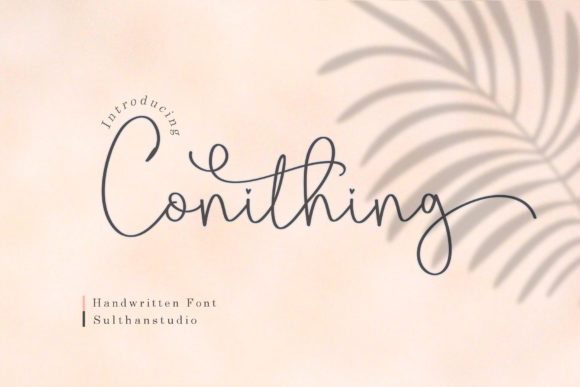
In an era where digital communication dominates, the human touch remains irreplaceable. Whether it's a wedding invitation, a business card, or a personal thank you note, the right font can make all the difference. Enter Conithing, a delicate and romantic handwritten font that has captured the attention of designers, entrepreneurs, and creatives alike. With its elegant swashes and expressive glyphs, Conithing brings a sense of warmth and authenticity to any design project.
As the demand for personalized and unique content continues to rise, fonts like Conithing are becoming essential tools in the creative arsenal. This is not just about aesthetics; it's about connecting with audiences on a deeper level. In a world where automation and standardization are the norm, the ability to convey individuality through typography is more valuable than ever.
What Makes Conithing Unique?
Conithing stands out in the crowded world of fonts due to its distinct personality and versatility. Unlike many digital typefaces that aim for uniformity, Conithing embraces the imperfections of handwriting, giving each letter a sense of movement and life. This makes it ideal for projects that require a personal, heartfelt touch.
One of the key features that set Conithing apart is its PUA (Private Use Area) encoding. This means that users can access all of the glyphs and swashes without restrictions, allowing for greater flexibility in design. Whether you're creating a custom logo or crafting a quote for social media, Conithing offers the tools needed to bring your vision to life.
Conithing in the Broader Creative Landscape
The rise of Conithing reflects broader trends in the creative industry. As consumers become more discerning, there is a growing preference for designs that feel authentic and human. This shift is particularly evident in sectors such as weddings, branding, and marketing, where the emotional impact of visual elements plays a crucial role.
Wedding planners, for instance, are increasingly turning to hand-drawn fonts like Conithing to create invitations that reflect the couple's unique story. Similarly, small businesses and startups are using this font to differentiate themselves in a competitive market. By incorporating a handwritten element, they can convey a sense of trust, creativity, and approachability.
Moreover, the trend toward minimalism in design has created a space for fonts like Conithing to thrive. While clean, sans-serif typefaces dominate modern aesthetics, there is a growing appreciation for the warmth and character that handwritten fonts bring. This balance between simplicity and expressiveness is what makes Conithing so appealing to a wide range of users.
Why People Are Paying Attention to Conithing
There are several reasons why Conithing has gained traction among professionals and enthusiasts. One of the primary factors is its ability to evoke emotion. Handwritten fonts have a way of making text feel more personal, which is especially important in industries where storytelling and connection are key.
Another reason for its popularity is its adaptability. Conithing works well across various mediums, from print to digital. It can be used in everything from greeting cards to website headers, making it a versatile choice for designers who want to maintain a cohesive brand identity.
Additionally, the ease of access to its glyphs and swashes is a significant advantage. With PUA encoding, users can easily incorporate intricate details into their designs without the need for complex software or additional tools. This accessibility makes Conithing a practical choice for both seasoned professionals and newcomers to the design field.
Changing Needs and Preferences in the Design World
The design industry is constantly evolving, and the increasing demand for customization has reshaped how professionals approach typography. Clients are no longer satisfied with generic, one-size-fits-all solutions. They want designs that reflect their values, personalities, and goals.
This shift has made fonts like Conithing more relevant than ever. As businesses strive to stand out in a saturated market, the use of unique, handwritten elements can help them carve out a distinct identity. For example, a boutique coffee shop might use Conithing on its signage to create a warm, inviting atmosphere that resonates with its target audience.
Furthermore, the rise of remote work and digital collaboration has changed the way designers interact with clients. With more projects being handled online, the need for clear, expressive typography has become even more critical. Fonts like Conithing can help bridge the gap between digital and physical communication, adding a layer of personality that is often missing in virtual interactions.
Practical Applications of Conithing
From a practical standpoint, Conithing has found its place in a variety of design applications. Here are some real-world examples of how it is being used:
- Wedding Invitations: Couples are using Conithing to create invitations that feel intimate and personal, reflecting the unique style of the event.
- Business Cards: Entrepreneurs and freelancers are leveraging the font to make their contact information stand out, conveying professionalism and creativity at a glance.
- Quotes and Social Media Content: Influencers and content creators are using Conithing to add a touch of elegance to their posts, enhancing the visual appeal of their message.
- Logos and Branding: Companies are incorporating Conithing into their logos to create a sense of warmth and approachability, differentiating themselves from competitors.
These applications demonstrate the versatility of Conithing and its ability to adapt to different contexts. Whether it's for a formal event or a casual social media post, the font adds a layer of sophistication that is hard to replicate with other typefaces.
The Future of Handwritten Typography
As we look ahead, it's clear that the influence of handwritten fonts like Conithing will continue to grow. With the increasing emphasis on personalization and emotional connection, there is a strong case for the continued relevance of these types of fonts.
Moreover, advancements in technology are making it easier for designers to experiment with handwritten styles. Tools that allow for greater control over typography are enabling more creative possibilities, further expanding the potential of fonts like Conithing.
In a world that is becoming more digital by the day, the human element remains a powerful force. Conithing is not just a font; it's a reflection of our desire for authenticity, connection, and expression. As long as there is a need for meaningful communication, this delicate and romantic typeface will continue to play a vital role in the design landscape.