Fiori: A Timeless and Versatile Display Font for Modern Design
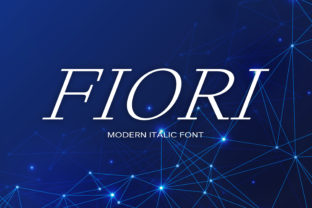
Fiori is a display font that blends the elegance of traditional sign painting with a modern aesthetic, offering a clean and dynamic look that suits a wide range of design applications. Its unique character makes it a popular choice among designers, brand developers, and creative professionals looking for a font that balances classic charm with contemporary appeal.
Unlike many fonts that lean heavily into either historical or futuristic styles, Fiori finds a middle ground. It avoids the overly ornate details of some vintage typefaces while maintaining a level of sophistication that sets it apart from more utilitarian sans-serif options. This balance allows it to fit seamlessly into both high-end branding and casual design projects.
What Makes Fiori Distinct?
Fiori’s design is rooted in the visual language of hand-painted signs, which often feature bold strokes, subtle curves, and a sense of movement. These elements are translated into a digital format without sacrificing clarity or readability. The result is a font that feels handcrafted yet precise, giving it a distinctive personality that can elevate any project.
One of the key characteristics of Fiori is its versatility. It works well in both large-scale applications, such as headlines and logos, and smaller formats like business cards or t-shirts. Its legibility at different sizes makes it suitable for a broad range of uses, from print to digital media.
The font also has a strong visual rhythm, with consistent stroke weights and balanced spacing. This makes it ideal for projects where a cohesive and professional look is essential. Whether used in a logo, a website header, or a promotional poster, Fiori maintains a polished appearance that commands attention without overwhelming the viewer.
Comparing Fiori to Similar Fonts
When evaluating display fonts, it’s helpful to consider how they compare in terms of style, usability, and application. Fiori stands out in several ways when compared to other popular options in the same category.
Fonts like Bebas Neue and Raleway are often used for similar purposes, but they tend to have a more rigid structure. Bebas Neue, for example, is extremely clean and minimal, which can be great for minimalist designs but may lack the warmth and character that Fiori offers. Raleway, on the other hand, has a slightly more refined feel, making it better suited for corporate or editorial contexts.
Other fonts, such as Playfair Display, bring a more decorative and elegant tone to the table. While Playfair is excellent for high-end branding and editorial work, its complexity can make it less effective in simpler or more functional design scenarios. Fiori, by contrast, strikes a balance between formality and approachability, making it a more flexible option for a wider range of projects.
For those looking for something with a stronger hand-crafted feel, fonts like Great Vibes or Lobster might be considered. However, these fonts often have a more informal or whimsical tone, which may not align with the professional or neutral aesthetic that Fiori provides.
Best Use Cases for Fiori
Fiori is particularly well-suited for projects that require a clean, modern, and slightly artistic touch. It excels in branding, where a strong visual identity is crucial. For instance, a startup looking to establish a fresh and professional image could use Fiori in their logo, website headers, or marketing materials to convey a sense of reliability and creativity.
In addition to branding, Fiori works well for headlines and titles in both print and digital formats. Its clear structure ensures that it remains readable even at larger sizes, making it an effective choice for magazine covers, posters, or social media graphics. When used in this way, it adds a layer of sophistication that can enhance the overall visual impact of a design.
Business cards and promotional materials are another area where Fiori shines. Its combination of style and clarity helps ensure that contact information or key messages stand out without being distracting. For t-shirts or other apparel, the font’s boldness and readability make it an appealing choice for slogans or brand names.
Considerations and Tradeoffs
While Fiori is a strong option for many design needs, it may not be the best choice in every situation. One potential limitation is its relatively limited weight variations. Unlike some fonts that offer multiple styles—such as light, regular, bold, and black—Fiori typically comes in a single weight, which can restrict its flexibility in certain design contexts.
This means that users who require a broader range of typographic options may need to pair Fiori with other fonts to achieve the desired visual hierarchy. For example, combining it with a more neutral sans-serif like Helvetica or Roboto could help create contrast and improve readability in multi-layered designs.
Another factor to consider is the font’s suitability for long-form text. While Fiori is highly legible at larger sizes, it may not be ideal for body copy due to its stylized features. In such cases, a more traditional serif or sans-serif font would likely be a better choice for maintaining readability over extended reading sessions.
When to Choose Fiori and When to Explore Alternatives
Fiori is an excellent choice when the goal is to add a touch of elegance and modernity to a design. It works well for projects that benefit from a visually striking yet easy-to-read font, such as logos, headlines, and branding elements. If the design requires a strong, memorable visual identity, Fiori can provide the right balance of style and functionality.
However, if the project involves extensive text, a more versatile font with multiple weights and styles may be necessary. In such cases, alternatives like Open Sans or Montserrat could be more practical. Similarly, for highly decorative or artistic projects, fonts with more intricate details may be more appropriate.
Ultimately, the decision to use Fiori depends on the specific needs of the project and the designer’s goals. By understanding its strengths and limitations, users can make informed choices about whether it fits their design vision or if another option might be more suitable.
Conclusion: A Thoughtful Choice for Contemporary Design
Fiori offers a compelling blend of tradition and modernity, making it a valuable asset in the designer’s toolkit. Its clean lines, dynamic structure, and versatility allow it to adapt to a wide range of applications, from branding to digital media. While it may not be the best fit for every scenario, it provides a strong foundation for projects that seek a sophisticated yet accessible visual identity.
By considering its unique characteristics and comparing it to other available options, designers can determine whether Fiori aligns with their creative and functional needs. Whether used as a standalone element or paired with other fonts, it has the potential to enhance the visual impact of a design in meaningful ways.