Exploring the Elegance of Alexandria Rose
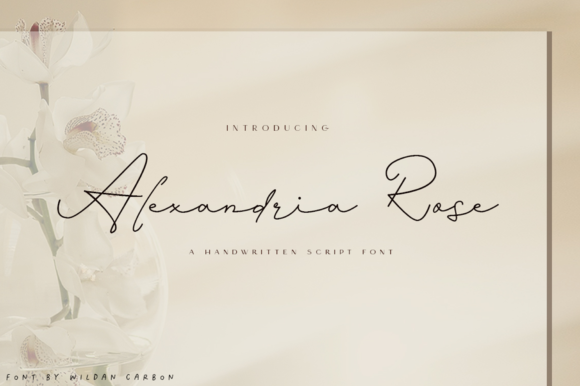
Alexandria Rose is a thin and elegant script font that has gained popularity for its refined aesthetic. It is ideal for projects that require a touch of sophistication, such as greeting cards, wedding invitations, and branding materials. The font’s delicate strokes and flowing lines make it stand out in a range of design applications where an upscale feel is desired.
What Makes Alexandria Rose Unique?
Alexandria Rose distinguishes itself through its balance of simplicity and elegance. Unlike some other script fonts that may be too ornate or difficult to read, Alexandria Rose maintains clarity while still offering a stylish appearance. Its thin weight allows it to pair well with other typefaces, making it versatile for both text and display purposes.
The font’s structure is designed to complement modern and classic design styles alike. It works particularly well in contexts where minimalism meets refinement, such as in business cards, posters, or digital interfaces that require a polished look. Its legibility at smaller sizes also makes it suitable for body text in certain scenarios, though it is more commonly used for headings and decorative elements.
Comparing Alexandria Rose with Similar Fonts
When considering script fonts, designers often compare options based on their visual appeal, readability, and suitability for different use cases. Alexandria Rose falls into a category that includes fonts like Great Vibes, Dancing Script, and Playfair Display. While these fonts share similarities in their elegant, handwritten style, each has unique characteristics that may make them more appropriate for specific projects.
Great Vibes, for example, offers a more fluid and cursive appearance, which can be ideal for creative or artistic designs. However, its complexity may limit its use in professional settings. In contrast, Alexandria Rose provides a cleaner, more structured look that is better suited for formal or semi-formal applications.
Dancing Script, another popular choice, is known for its casual, playful tone. This makes it a good fit for informal invitations or social media content. Alexandria Rose, by comparison, leans toward a more mature and sophisticated vibe, which may be preferable for corporate or high-end branding efforts.
Best Fit Situations for Alexandria Rose
Alexandria Rose excels in situations where a subtle yet striking visual presence is needed. For instance, in wedding invitations, it can add a sense of grace without overwhelming the overall design. Its thin lines allow it to blend seamlessly with other elements, making it a good choice for layouts that prioritize balance and harmony.
In branding, Alexandria Rose can be used to create a memorable identity that conveys professionalism and taste. It pairs well with sans-serif fonts for a modern contrast, or with serif fonts for a more traditional feel. This flexibility makes it a valuable tool for designers looking to achieve a cohesive and elegant visual language.
For quotes or poster designs, Alexandria Rose can serve as a focal point that draws attention while maintaining readability. Its ability to convey a sense of refinement makes it particularly effective in campaigns that aim to evoke emotion or convey a message with a touch of class.
Limitations and Tradeoffs
While Alexandria Rose is a strong option for many design needs, it is not without limitations. One potential drawback is its thin weight, which may not be suitable for large blocks of text. In such cases, it may be necessary to pair it with a more robust font to ensure legibility and visual stability.
Another consideration is the font’s availability. Depending on the platform or design software being used, access to Alexandria Rose may vary. Some users may find that alternative fonts are more readily available or easier to integrate into their workflow. This can influence the decision-making process when selecting a font for a specific project.
Additionally, the font’s elegance may not align with every brand or design concept. For projects that require a bold, eye-catching style, Alexandria Rose might not provide the desired impact. In such cases, a more dramatic or stylized font could be a better fit.
When to Choose Alexandria Rose
Alexandria Rose is an excellent choice when the goal is to create a design that feels refined and timeless. It is particularly well-suited for projects that aim to communicate sophistication, such as luxury branding, high-end events, or artistic expressions that value subtlety and grace.
For example, a boutique hotel might use Alexandria Rose in its marketing materials to evoke a sense of exclusivity and charm. Similarly, a designer might incorporate it into a portfolio website to add a touch of elegance that complements their work.
It is also a good option for those who want to maintain a clean and minimalist approach while still incorporating a personal or artistic element. Its versatility allows it to adapt to different themes and styles, making it a reliable choice for a wide range of design needs.
When to Consider Alternatives
There are situations where other fonts may be more appropriate than Alexandria Rose. For instance, if a project requires a more dynamic or expressive style, a bolder or more decorative font could be a better fit. Fonts like Lobster or Pacifico offer a more pronounced visual impact, which may be necessary for certain creative or attention-grabbing designs.
For digital interfaces or user-facing applications, readability is often a top priority. In these cases, a sans-serif font might be preferred for its clarity and ease of reading. Alexandria Rose, while aesthetically pleasing, may not be the best choice for long-form content or text-heavy designs.
Ultimately, the decision to use Alexandria Rose or an alternative depends on the specific goals of the project, the target audience, and the overall design vision. By understanding the strengths and limitations of each option, designers can make informed choices that align with their creative and functional needs.