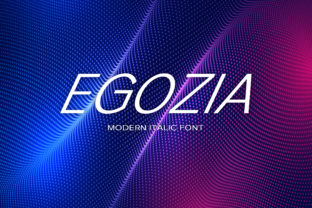
Egozia: A Modern Sans Serif with Timeless Appeal
When it comes to typography, the right font can make all the difference in how a message is received. Egozia is a sans serif typeface that blends the elegance of traditional sign painting with a contemporary edge. Its clean lines and minimalist design make it ideal for a wide range of applications—from logos and headlines to business cards and t-shirts. But what makes Egozia stand out, and how can you ensure you're using it effectively?
Designed for modern creatives, Egozia offers a versatile and professional look that can elevate any project. However, there are several common pitfalls that users may encounter when working with this font. Understanding these challenges can help you avoid mistakes and get the most out of Egozia.
Common Mistakes When Using Egozia
One of the most frequent errors is assuming that Egozia will automatically work well in every context. While it’s a powerful typeface, its effectiveness depends on how it's applied. For instance, using Egozia in small text sizes or low-contrast backgrounds can reduce readability, making it less suitable for body copy.
Another mistake is not considering the font’s weight variations. Egozia comes in multiple weights, from light to bold. Choosing the wrong weight can lead to a design that feels unbalanced or inconsistent. For example, using a light weight for a headline might make it appear weak, while a bold weight could overwhelm a subtle layout.
Some users also overlook the importance of proper kerning and spacing. Even though Egozia is designed to be clean and minimal, fine-tuning the spacing between letters can significantly improve the overall appearance. This is especially important in headlines or logos where visual harmony is key.
How Mistakes Affect Results
Using Egozia incorrectly can have a direct impact on the quality of your design. Poor readability can confuse your audience, while inconsistent weights or spacing can make your work look unprofessional. These issues can affect everything from brand perception to user engagement.
For example, if you’re designing a logo with Egozia but don’t adjust the spacing properly, the result might look cluttered or unrefined. Similarly, if you use Egozia in a low-contrast setting—like a dark background with light text—it could become difficult to read, especially on smaller screens.
These problems aren’t just aesthetic; they can also affect the functionality of your design. A poorly chosen font can lead to higher costs if you need to redo the work later, or it might fail to communicate your message effectively, leading to lower engagement or customer satisfaction.
Practical Advice for Better Results
To get the best results with Egozia, start by understanding its strengths and limitations. Use it in contexts where clarity and style are both important. For instance, Egozia works well for headlines, titles, and branding elements where a clean, modern look is desired.
Before finalizing your design, test Egozia in different sizes and settings. Check how it looks on various devices and backgrounds to ensure it remains readable and visually appealing. This step can save time and prevent costly revisions down the line.
Additionally, pay attention to the font’s weight and spacing. If you’re unsure about which weight to use, start with a medium or regular weight for general use, and experiment with bolder or lighter options for specific elements like headlines or subheadings.
Realistic Examples and Better Approaches
Imagine you’re designing a website for a new tech startup. You want a modern, professional look that reflects innovation. Egozia could be an excellent choice for your main heading, but you should avoid using it for body text. Instead, pair it with a more readable font like Arial or Helvetica for the content sections.
Another example is a business card. Egozia can add a sleek, contemporary feel to the name and title, but you should ensure there’s enough contrast between the font and the background. A dark text on a light background or vice versa will make the information easier to read at a glance.
If you’re creating a T-shirt design, Egozia’s minimalism can work well for short phrases or slogans. However, avoid using it for long sentences, as the lack of serifs and tight spacing might make the text harder to read from a distance.
What to Check Before Using Egozia
Before you commit to using Egozia, check the licensing terms. Make sure you have the correct license for your intended use, whether it’s personal, commercial, or for a client project. Some fonts have restrictions that could limit your ability to use them in certain contexts.
Also, consider the availability of the font. If you’re planning to use Egozia in a project that requires multiple devices or platforms, ensure it’s available in the necessary formats (such as OTF or TTF) and that it installs correctly on all systems.
Finally, review the font’s character set. Egozia may not include all special characters or languages, so if your project requires support for non-English text, verify that the font meets those needs.
Conclusion: Making the Most of Egozia
Egozia is a versatile and stylish font that can enhance a wide range of design projects. By understanding its features and avoiding common mistakes, you can ensure it delivers the desired impact without compromising readability or professionalism.
Whether you’re a designer, entrepreneur, or creative professional, taking the time to use Egozia thoughtfully can lead to better results and greater satisfaction with your work. With the right approach, Egozia can become a valuable tool in your design toolkit.